

Out of this increased interest, THCA cannabis has become one of the biggest conversations in the entire industry as more consumers are interested in knowing how different compounds inside hemp and marijuana work. THCA cannabis is being actively researched to gain an understanding of exactly what it all means: where THCA fits into the entire plant and modern-day science surrounding cannabis. Whether you are a complete beginner on the subject or looking for a more comprehensive overview, this guide will describe it in layman’s terms while being informative and not too difficult to follow.
What Is THCA?
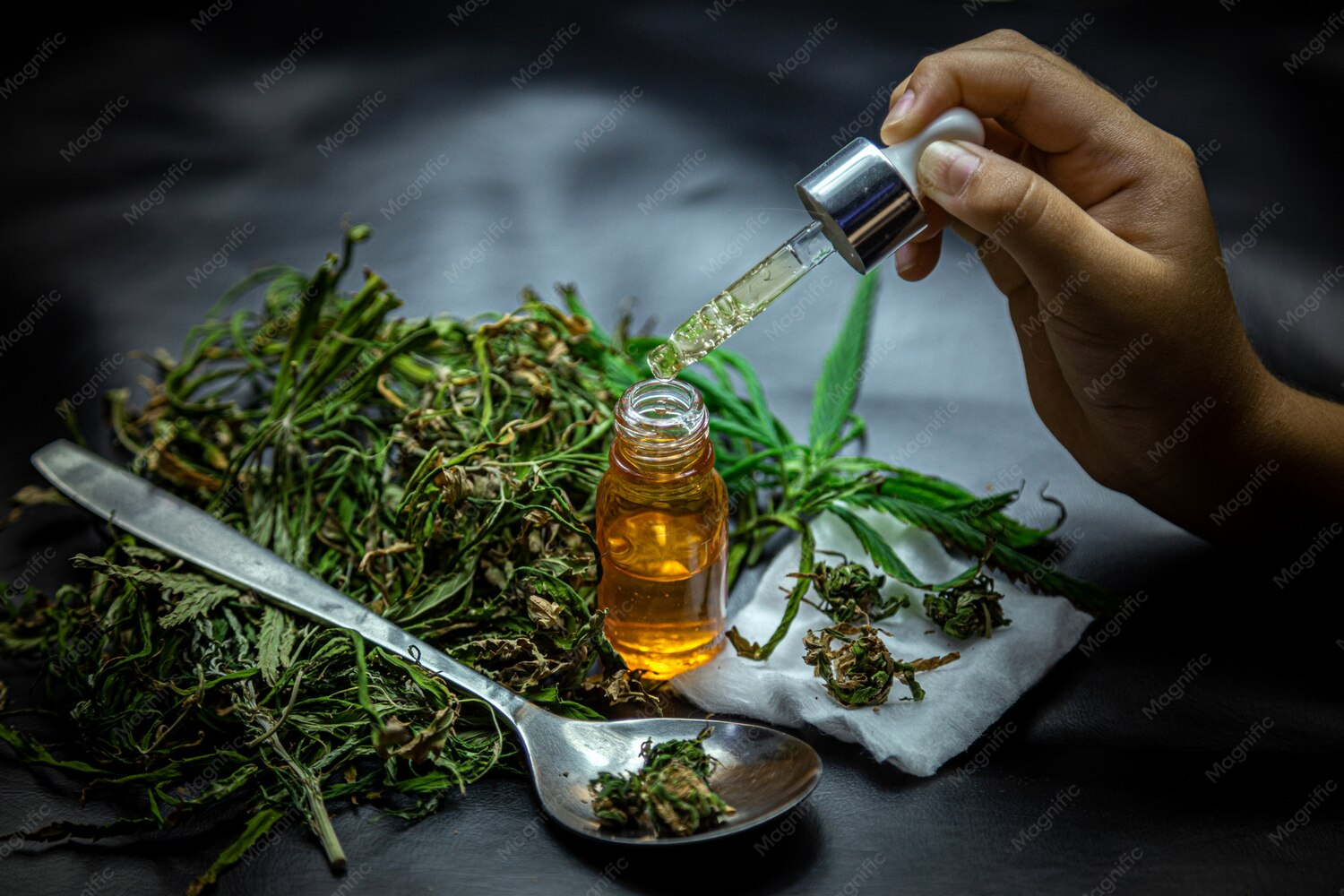
THCA (tetrahydrocannabinolic acid) is a natural cannabinoid in fresh cannabis plants. They claim that it is one of the most abundant compounds produced while growing and present in its natural state before heat or processing. THCA knowledge is a part of teaching the consumers to learn more about cannabis as a whole plant and why we use other terms when discussing cannabis.
THCA vs. THC
While THCA and THC are related compounds, they should not be compared because in nature they do different things. THCA is the acidic precursor found in raw cannabis; THC appears through a heat-driven chemical reaction. This difference matters because it helps rationalize and draw how cannabis chemistry can change between dealing with and non-handling of the plant itself. Knowing how THCA and THC work together provides people with a better reason why unheated cannabis and heated cannabis are not the same.
Heat Conversion
The heat exposure of THCA cannabis is one of the most important facts about it. When the cannabis is heated, as when smoked or vaporized (or cooked), THCA goes through a natural chemical conversion. It alters the compound structure and provides a different cannabinoid profile from that of raw plant material. This is one of the reasons that fresh cannabis and heated cannabis can show drastic differences in lab results. This conversion is still the subject of research, with scientists investigating cannabis chemistry and specifically what role heat has on plant molecules.
Storage and Preservation
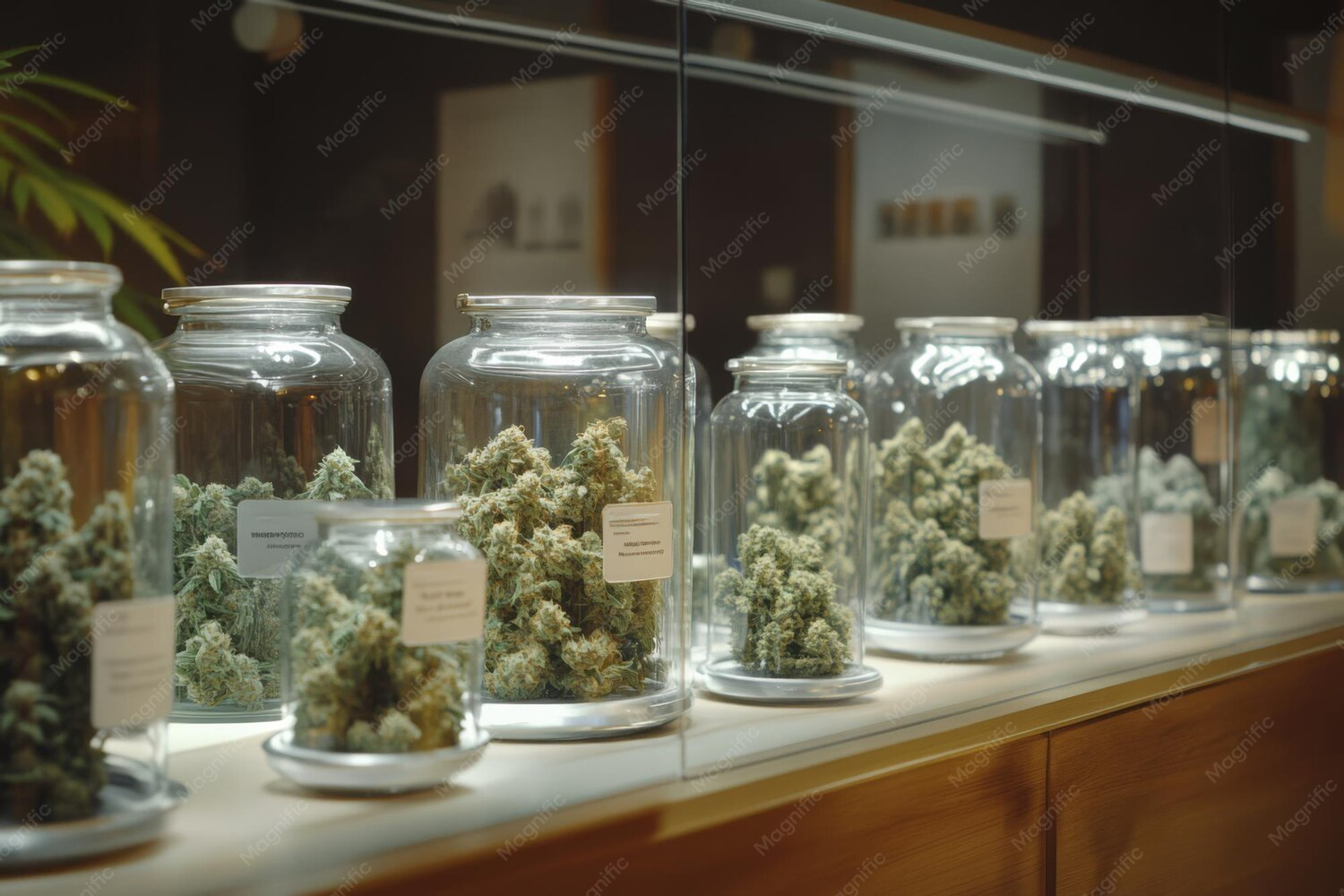
Other than that, storing cannabis in the right way can preserve it for longer and slow down the unwanted changes of cannabinoids. Most cannabis types claiming to have THCA content [unless in a vaporizer] are also kept cold and free of high-humidity environments, as exposure to heat, light, or moisture will reduce the amount / potency of that just-mentioned strain.
Maintaining these conditions also protects the quality of products while allowing more stable cannabinoid profiles to develop over time. For producers, dispensaries, and consumers who wish to keep raw cannabis products intact for longer are essential. As well, careful preservation improves testing accuracy and product consistency.
Key Facts
Keep these key points in mind to shed more light on THCA cannabis.
Since raw cannabis plants have higher amounts of THCA, it naturally occurs in the plant until exposed to heat.
- The natural part of THCA is when heat changes its state.
- Every year, the realm of scientific research broadens further.
- Relatively speaking, laws vary by country, state, and region.
- Lab testing acts for product lifecycle transparency and quality control.
- You should always expect reliable sources of information and up-to-date ones.
- The way cannabis stores itself is also highly influenced by certain environmental conditions.
- In raw form, THCA and THC are similar, but they are not the same.
Scientific Research
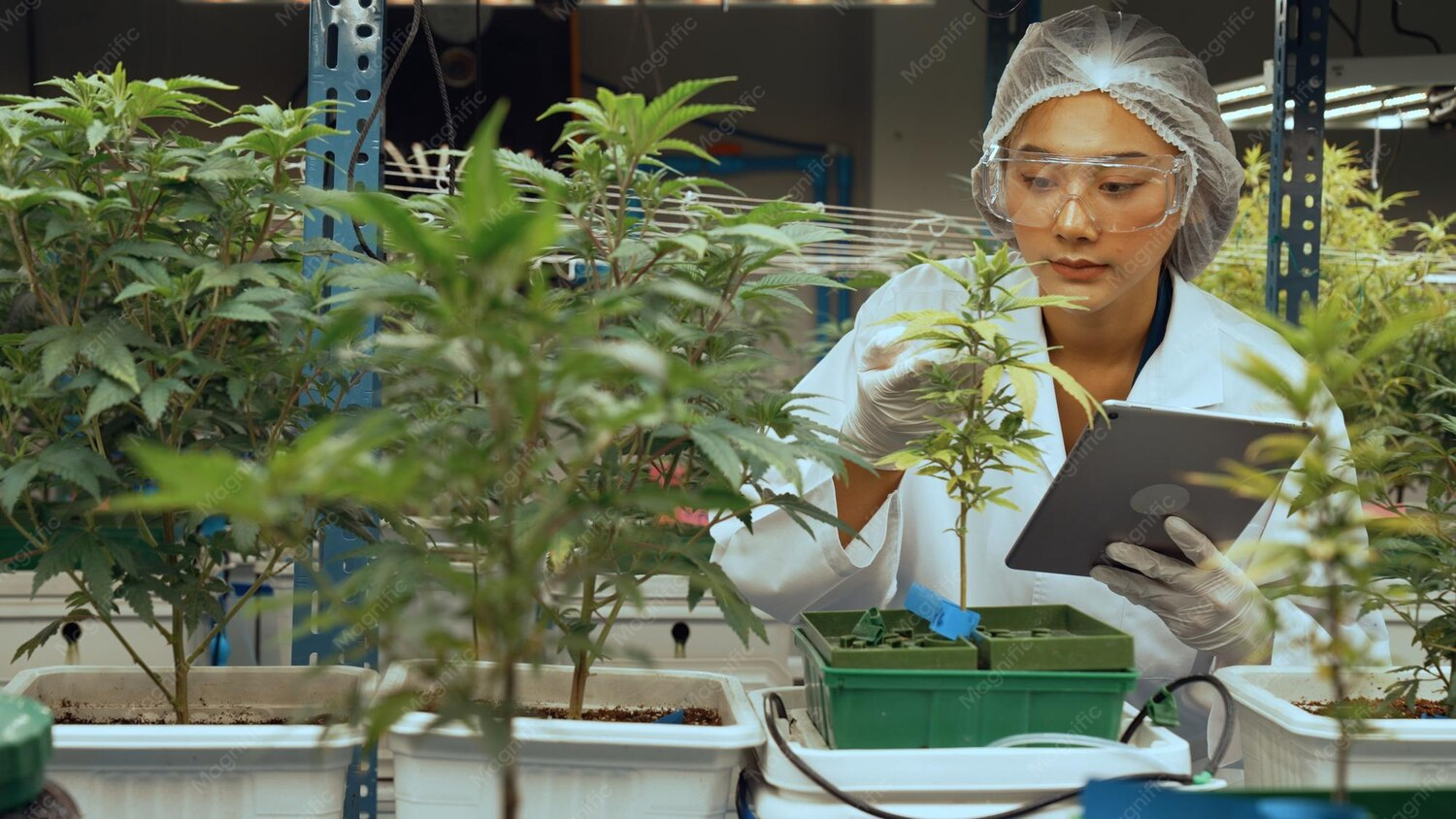
With more institutions studying cannabinoid science, scientific interest in THCA cannabis has rapidly increased over the past couple of years. Continuing study of the compound by universities, laboratories, and research organizations to better understand its own biological properties and chemical behavior. Researchers investigate applications with exploratory laboratory data through controlled scientific studies.
While research continues to grow in this area, scientists note that conclusions based on evidence must be managed with caution. While none of these observations challenge prior work, each new study adds to the cumulative knowledge driving the emergent field of cannabis science and aims to provide a firmer basis for subsequent discoveries.
Legal Considerations
Given the global nature of cannabis sourcing, it is best for readers to understand local rules regarding purchasing and handling such products because THC Cannabis remains in a legal gray area throughout much of the world today. Some nations will control cannabis compounds as if they fall under a random statute, whereas many continue to enforce strict prohibitions against anything related to cannabis.
Consumer and business perspective Local regulations may then vary by states, provinces, or regions. People with an interest in cannabis-based products should check the law that applies to their location and be aware of how it may evolve. As legal frameworks continue to change over time, it is always important to verify with current information.

Industry Growth
As research in this area expands and consumers become more aware of THCA, many individuals within the cannabis industry are showing greater interest. Continuing to explore cannabinoid science with licensed producers, laboratories, retailers, and educational organizations. Better testing methods have made it easier to quantify THCA more accurately and communicate that information upfront.
Market expansion has also spurred improvements in quality standards, labeling practices, and transparency throughout the industry. Innovation continues to build support for scientific research and consumer education, which will foster an increasingly informed, professionalized industry overall.
Laboratory Testing
Laboratory testing is important for identification of THCA levels within cannabis products. Certified laboratories utilize modern analytical methods to accurately measure precise and consistent cannabinoid content. To ensure product quality and promote transparency of the cannabis industry, this resource uses testing to figure out if a specific batch is safe.
Providing consumers with information prior to the purchase relies on accurate laboratory reports that enable companies to stay within regulations. Because accurate testing fosters trust, safety, and consistent products, quality control remains a top priority across all regulated markets.
How THCA Is Measured
It is generally quantified by laboratory analysis that examines the chemical composition of cannabis samples. Special equipment used in testing facilities is designed to accurately separate these compounds. These methods enable the reporting of cannabinoid values on a percentage basis and comparisons between different products or batches.
Consumer Education
Understanding THCA cannabis equips consumers with the knowledge they need to navigate the diverse products available in dispensaries. Most of the data speaks about half truths, is a few years old, or is completely wrong and thus makes reliable education even more crucial. The best way to improve understanding and minimize confusion is to access reading materials from credible scientific institutions, licensed professionals in the related fields of interest, or reputable industry sources.
Choosing Reliable Sources
The most important part of learning about THCA cannabis is the ability to find credible information. Credible resources typically define the scientific terminology, do not make overblown assertions, and cite research or regulations whenever possible. Cross-referencing a few sources will also determine whether something is true or misleading. Awards category: type of data or content you may be working on in the zone Choosing quality sources will encourage effective reporting and aid readers in gaining a wider perspective as well.
Future Research
Even scientists agree that THCA cannabis studies are here to stay, for as long as there is a growing interest in the cannabinoid spectrum. Discoveries yet to come may advance understanding of cannabinoid chemistry, plant biology, and the interactions between cannabis compounds themselves within this complex organism.
For one, improvements in laboratory technology may provide further scientific detail as well as enhance accuracy for future studies. With increasing research, industry standards and educational resources will likely continue to improve as well. Next developments will rely on the ongoing evidence-based studies and continued efforts of researchers worldwide.
Common Questions
These are typical questions asked by beginners attempting to grasp the concept of THCA cannabis.
- THCA is present before heat exposure and changes when heated.
- Cannabis is highly sensitive to local rules, and one in a territory will have different cannabis laws than another, so keep that in mind.
- Research continues but adds to the confusion.
- Transparent approach through laboratory testing that confirms cannabinoid levels.
- Consumer education leads to better informed decisions and decreases confusion.
- Research is still revealing new aspects of cannabinoid science.
- Stability tests have shown that conditions for proper storage can help maintain quality in the commodity over time.
- A reliable source is the key to knowing cannabis correctly.
Final Thoughts
THCA cannabis is a cornerstone concept of modern-day cannabis science, yet it needs elucidation as to how raw and heated differ. For anyone interested in this subject, listening to the wise from skilled hands and keeping up with local laws will continue being one of the best strategies for learning never ends. With a solid understanding of THCA cannabis, readers can dive into the subject matter confidently and with curiosity as well as knowing some pitfalls to watch out for.