


History of Mexican Cannabis
History of Mexican Cannabis, It would not be an exaggeration to say that the story of the marijuana plant. Mexico has a really long history and can also be characterized by certain interesting events. People are fascinated to know about marijuana because the issue has not just been limited to agriculture; rather, it’s more deeply related to the social life, culture, law, and economics of Mexico. There have been numerous transitions for the weed, and in every period. .
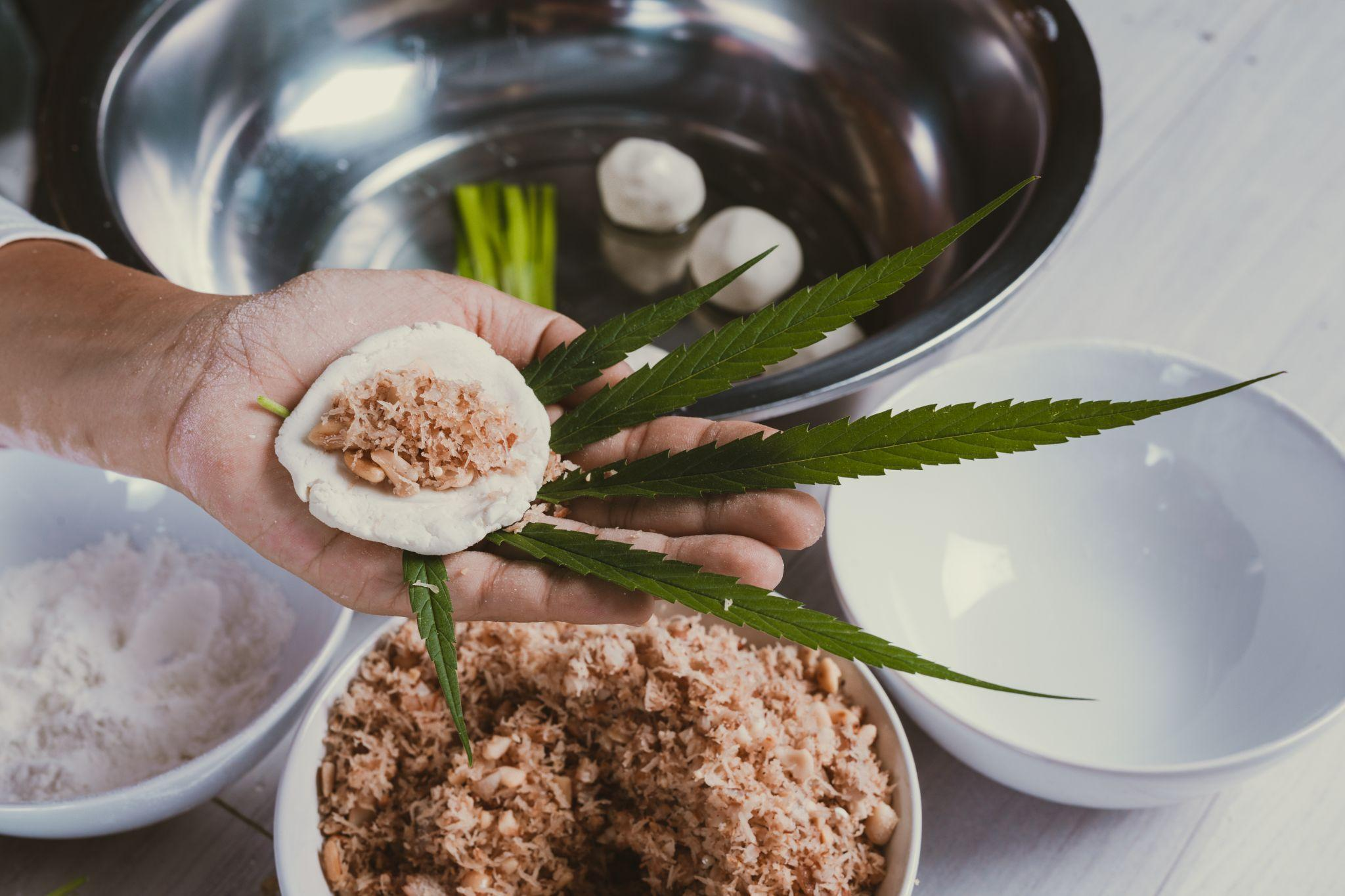
It was considered as the new form of the plant now it may be used as an industrial resource, agricultural product, or medicinal plant. In some phases, the laws imposed by the government have also put some great restrictions over weed cultivation, while in some, policy towards marijuana has been quite positive for its growth and legalization. Mexican marijuana is one of the key topics in current times, and we’re here to write in easy Roman Urdu a history of this topic.
History of Marijuana in Mexico as a plant
The saga of weed in Mexico begins from quite an old time. As per some evidence, seeds from Spanish influence reached Mexico’s soil in due process and thus gradually integrated into agricultural patterns. Primarily, the plant cultivated is used for commercial and industrial activities.
The workers extract the plant to produce cloth, rope, and all types of tar products. Back then, the plants were just looked at as any agricultural commodity, not something we consume or use for recreation today, but with changing times, other benefits of the plant have also come to light and laid a base for the weed history of the country.
Spanish Arrival in Mexico
Upon their arrival in Mexico, the Spanish initiated a broad agricultural revolution throughout the land. They brought in new crops, new breeds of livestock, and new agricultural methods, all of which replaced or significantly modified the way food was produced on both small farms and large haciendas. Among the introduced crops was hemp.
The colonial authorities were keen on establishing cash crops that would be exported for commercial gain and thus contribute to the wealth of Spain. The industrial applications of hemp as a source of fiber and cloth, in addition to its oil and tar, made it desirable for colonization. Its cultivation then started gaining pace.
Salient points
- The history of Mexican herbs is quite ancient, related to agricultural transformations of the country.
- The plant was previously used for industrial and tar products mostly.
- The herbal and social features of the plant began gaining recognition with the passage of time.
- Various forms of laws concerning the use of marijuana in the country had prevailed.
- Public opinion influenced reform efforts greatly and continues to play a significant role.
- Farming of weed plants has always been one of the major aspects.
- The future direction of the industry is to be governed by law and research & economics.
During the Spanish
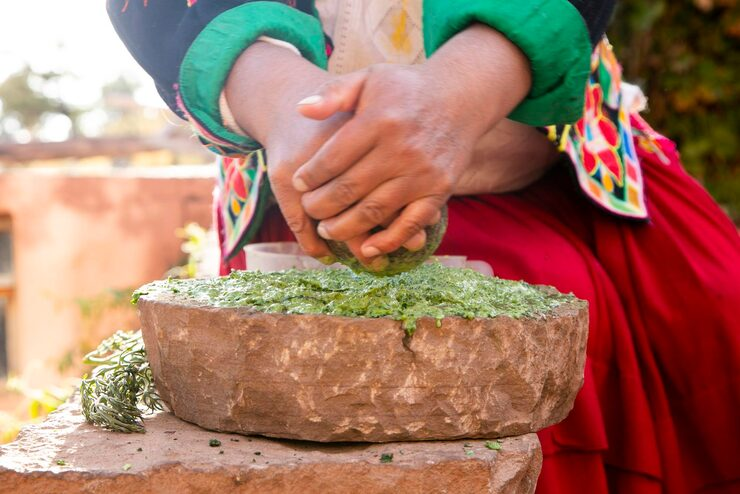
During the Spanish colonization of Mexico, there was a noticeable effort by the Spanish authorities to promote and increase the production of hemp on agricultural lands throughout Mexico. Fiber production was at that point a very important industrial concern to colonial Spain. Hemp was the material of choice to create all of the rope necessary to outfi.
Their naval fleet as well as to manufacture canvas used for sails. Furthermore, since Mexico provided abundant land and ample labor to grow these resources in quantities to be readily exported to Spain, for colonial economic purposes, they sought to establish as much cultivation of hemp as was possible throughout New Spain. The use of weed was then in its infancy from what we understand.
Changes in Mexican Cannabis Laws
While hemp production had been part of Mexican life since before Spanish colonization, cannabis as a plant intended for its intoxicating and psychoactive effects remained a more marginal subject for centuries. However, as new scientific research and a changing social climate began to inform attitudes towards the plant, legal reforms started becoming more widespread globally. In Mexico, a major legislative shift took place on June 29, 2009, when lawmakers amended the general health law.
The revision decriminalized the personal possession and consumption of certain quantities of drugs, including cannabis; small quantities of personal-use drugs are now permitted without a fine or imprisonment. The Mexican government continued to pass a law to enable use and production of cannabis for personal consumption on November 4, 2021.
Environmental factors
The environment has had a profound effect on the growing process. Factors like the soil, rainfall, and availability of water affect each harvest. Mexico has varied climates, so agricultural outputs may not be uniform throughout the entire country.
The preservation of soil, as well as the adequate distribution and allocation of water resources, is crucial for healthy agriculture. Care also be taken in growing so as to minimize the damage to the environment. From this point of view, the history of cannabis production in Mexico is its history as more than a legal or cultural entity.
Economic implications
Cannabis also has the potential to have some real economic effects. Legalization would provide opportunities for employment, business, trade, job growth, etc. The cultivation, packaging, distribution, and processing sections of business have the potential to be great.
Because of the potential positive economic impact the market has garnered the attention of many economic analysts. There would be regulations for public safety, and there would be an economic dialogue in the country.
International context
Another point of comparison would be international contexts. Various countries worldwide have implemented different approaches to cannabis regulation or prohibition, and others have had long battles about its use. Mexico’s legal discourse has explored some of these possibilities and trends. These international cases might reflect certain patterns of policy in developing regions, and they also highlight similarities in the concerns and desires for a regulated market.
The Cultural Context
Perhaps the longest history of cannabis on this issue in Mexico is represented by culture. Marijuana finds mentions within literature, art, religious texts, social discourse, and even indigenous practices. Throughout the different periods in history, each generation formed its own opinions and perspective of the cannabis crop and its significance to social and cultural expression and also developed a unique relationship to it, which gave it a special significance for many.
New reforms
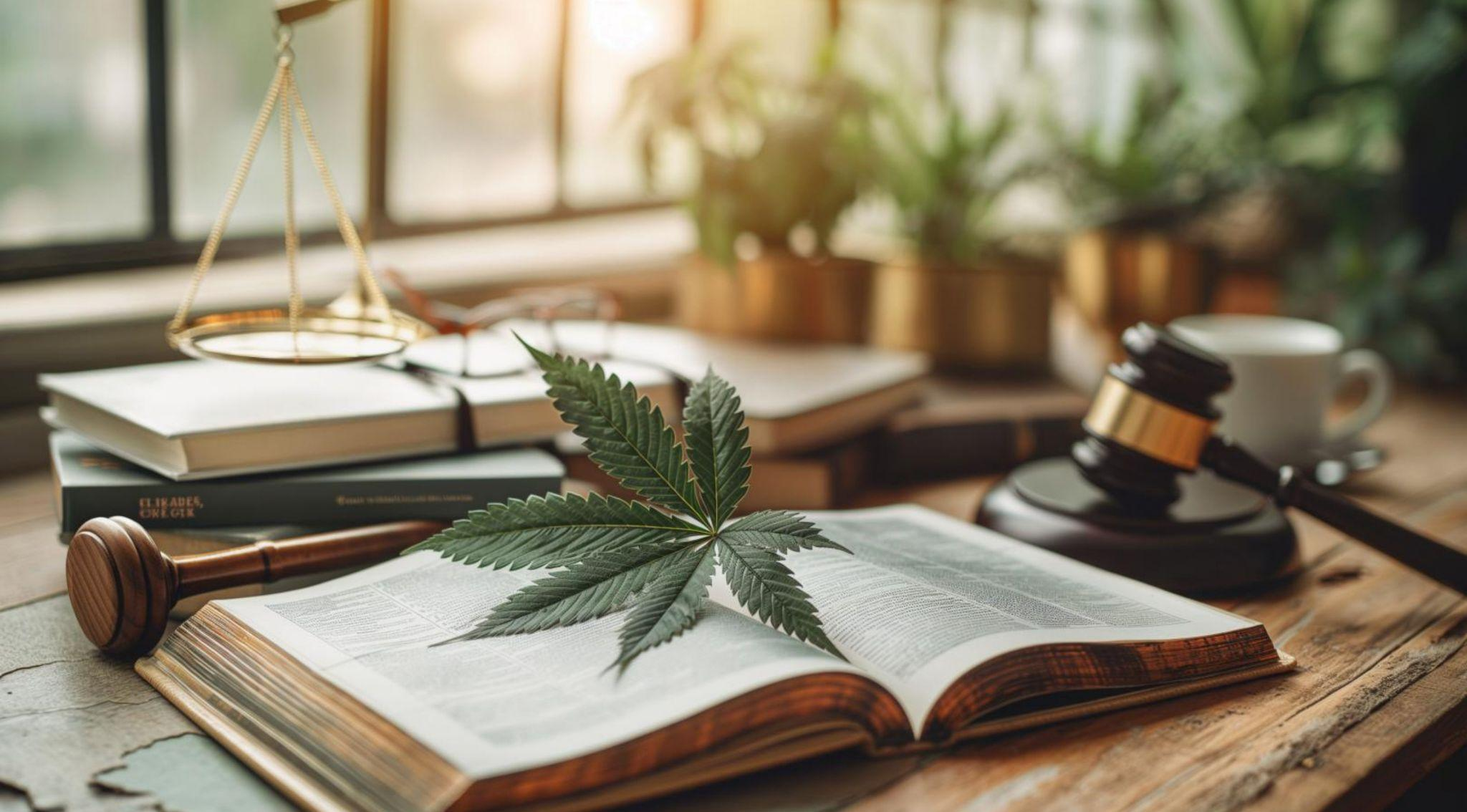
Modern history has been characterized by the growing debate surrounding the legal reforms aimed at regulating cannabis production in the country. The courts, lawmakers, and experts in the country have been developing legislative proposals to revise and update, to modern standards, the legal landscape that surrounds this controversial plant, trying to serve public interests on both sides. More change may follow. These reforms are making the matter not just a part of history but part of our present discussion.
Future of Mexican Cannabis
Based on forecasts by analysts, the legal and illegal cultivation and sale of cannabis in Mexico will likely shift depending on regulations and policies. Economic models for the industry as well as cultural perspectives and scientific study have shaped and will continue to affect the direction of business. A healthy agriculture sector and a well-managed public health sector coupled with reasonable regulation can go a long way in protecting the business while limiting its inherent risks. The legal framework will determine how the future Mexican cannabis market develops.
Final Words
The story of cannabis cultivation in Mexico is an old and often hidden story filled with nuances. Agriculture, law, culture, medicine, and law enforcement are key to this unfolding story, reflecting significant changes over time in societal attitudes towards both laws and public opinion about marijuana production.
Mexican discussions and reforms will continue; this legal aspect may evolve significantly in the near future, affecting numerous aspects of the country. The future directions that these initiatives might take have the history of Mexican cannabis with them.
Official Strain Culture Store
Explore our exclusive collection of premium Strain Culture apparel, drinkware, stickers, accessories, and lifestyle products. Designed for everyday comfort with unique cannabis-inspired branding and high-quality craftsmanship.