


As worldwide demand for cannabis continues to grow, future prices of marijuana are anticipated to shift. Indeed, the prices of cannabis like many commodities are ultimately decided by a combination of government decisions and variables such as the cost at which it can be produced, demand from consumers in urban areas; whether transportation expenses will increase or decrease in short technological advancement. With more countries changing their outlook on cannabis, new markets are opening for successive businesses.
Price is affected in some regions as competition increases and prices fall, while taxes and expenses rise in others thereby pushing up price. Being aware of these market realities can guide consumers and industry analysts in forming reasonable ideas about what cannabis prices will look like moving forward.
Future Prices
Whether cannabis prices are lower than today or higher tomorrow will depend on the interaction of several real-world market conditions. Established legal markets may see a decrease in costs from increased production. Yet some geographies are unlikely to see prices drop too low due to heavy taxes and regulation. Also, advances in farming techniques and technology could bring down production costs. Cross-border pricing in the future is bound to differ from market to market as all countries have different legal requirements and economic conditions up until October 2023.
Market Demand
Consumer demand is still the biggest thing impacting cannabis prices. More people might buy regulated cannabis products as legal markets keep growing. Demand can also be fueled by medical research and rising public consciousness. If demand outstrips supply, prices usually rise. If we can ramp up production at the same rate, it may actually make prices less volatile moving forward.
Legal Changes
This especially applies when it comes to pricing, as government regulations can heavily dictate cannabis prices. Production costs rise because of licensing requirements, product-testing and taxation. New laws could make it easier for businesses to enter legal markets, strengthening competition. Increased competition usually leads to greater efficiency and more consumer choice. The global market for cannabis prices will continue to be shaped by legal changes.
Farming Costs
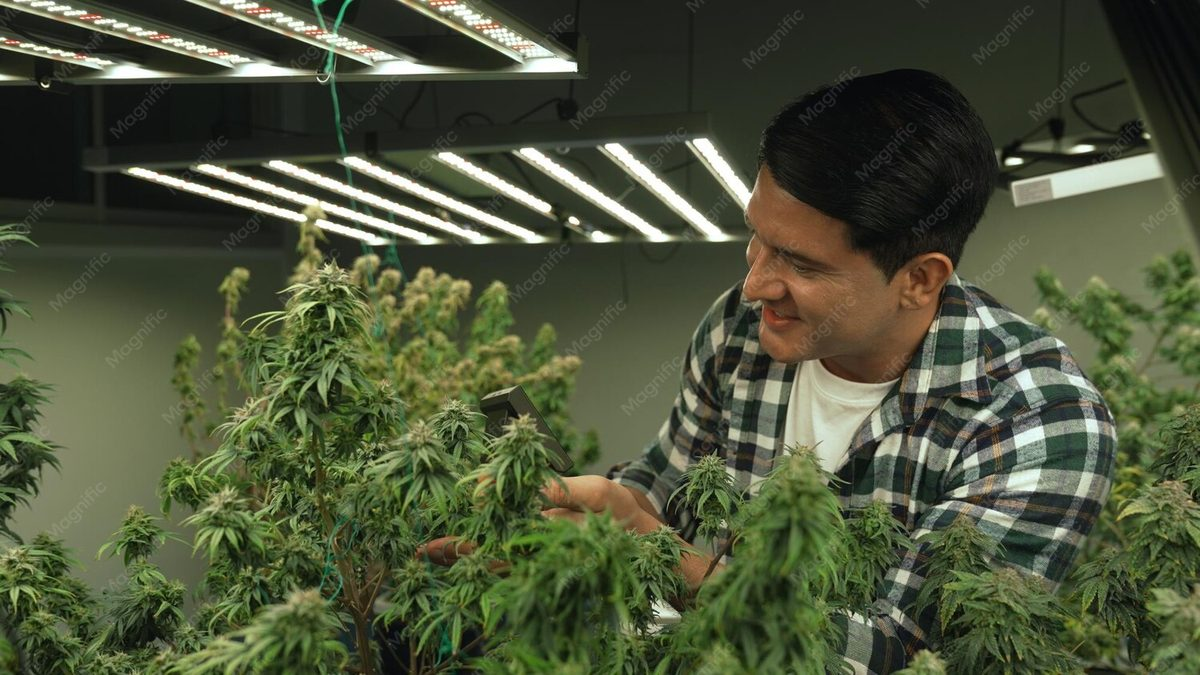
Cannabis requires investments in seeds, labour, infrastructure (e.g. equipment), and water or energy to grow it. Producers are using modern farming technology to be more efficient while also minimizing waste. That said, weather conditions, electricity prices and labor costs have worked their way to affect the total cost of different types of thermoelectric plants[7] In the long run, this could ultimately filter through into cannabis prices while also keeping average cultivation costs lower.
Supply Chain
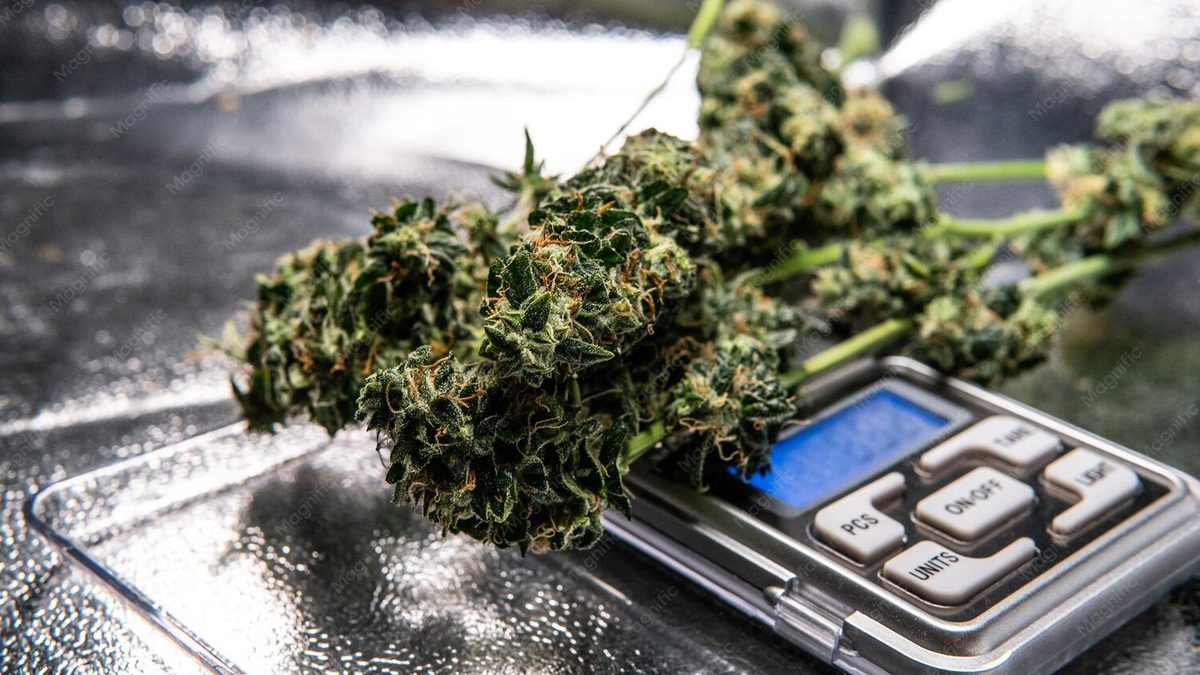
When it comes to determining cannabis prices, the first ingredient to consider in a supply chain is really everything. Once products are harvested, most of them still need to be processed and packaged before being stored or transported for commercial sale. Each step raises the total cost. Higher cost of petrol and transport may add to retail price. Efficient logistics and inventory management on the other hand have their benefits when it comes to helping businesses reduce unnecessary expenses. With advanced supply chains, businesses can operate more efficiently and sell products at lower prices.

Medical Growth
Legal markets for medical cannabis are still posting gains. Researchers are exploring potential uses for various health conditions. As more scientific evidence accumulates, additional healthcare providers may feel comfortable endorsing approved cannabis therapies where such recommendations are legally acceptable. Producers may ramp up operations if there is greater demand from medical. A given state attending to have a bigger therapeutic market may likewise pull in more speculation, hence better techniques for preparing and improving quality items. These developments could impact the price of cannabis in the future.
Global Markets
As more nations analyze their laws, worldwide cannabis markets are always transforming. Certain markets are opening up legal medical programs while others consider more expansive cannabis reforms. Over time, international trade and investment could give rise to new business opportunities. Larger markets however can promote higher rates of production and competition. While every country has its own regulations, certain nonpolitical global events can have a broad impact on both pricing patterns and the growth trajectory of significant sectors.
Price Factors
There are a variety of factors that will interplay to shape what the future cost of cannabis might look like.
- Government regulations and taxation.
- Consumer demand in legal markets.
- Production and cultivation expenses.
- Transportation and distribution costs.
- Competition among licensed producers.
- Economic conditions and inflation.
All these factors affect how cannabis prices will change in the future.
Consumer Trends
The cannabis industry is still being shaped by consumer preferences. A lot of buyers now desire items that are high quality, safe and stable. They also favour recognised brands which comply with legislation. Investment in quality control and product development increases as a result of customer expectations becoming pervasive. Thanks to their sensitivity, these companies will survive. As the industry continues to grow, these trends will continue shaping pricing strategies.
Technology Impact
Read On Technology is transforming the cannabis industry and in many ways, for the better. In turn, producers are growing better crops more efficiently thanks to modern equipment. Automated irrigation, climate control and monitoring cut wasteful deviations. Such innovations may reduce the cost of production over time while increasing productivity. Investments in advanced technology typically render businesses more competitive. In the meanwhile, as technology continues to improve in various fronts it also helps keep cannabis prices grounded in many legal markets.
Economic Trends
Cannabis pricing is heavily influenced by economic conditions. Labour, transportation and production materials expenses are all affected by inflation themselves. Distribution costs are also impacted by fluctuations in fuel prices. How fast companies expand their businesses was influenced by interest rates and business investments.
Producers can be more efficient and produce better during stable economic times. Consequently, economic trends will be a major determinant of future cannabis prices.
Industry Growth
Cannabis has been a very big deal in recent times. A growing number of companies are competing in legal markets and with new products. Intensive competition mostly compels innovation and enhanced service quality by segmenting consumers. Organizations are still reinvesting into research, production and branding in order to maintain an edge over competitors. An influx of supply gives consumers an incentive to demand even better products, and as new entrants push pricing downward the consumer may also benefit from lower prices.
A long-term positive trend in the industry may form a more stable and efficient market.
Future Outlook
A lot will depend on what direction the industry as a whole continues to develop into, so it’s always good practice to remember this before you purchase an ounce of toilet paper for $1.99 or your next cannabis bud! The maturation of legal markets, enhancements in growing techniques and heightened competition might open the door for more steady pricing. Yet government regulation, taxation and economic status will still be powerful drivers. Future market trends will also be shaped by consumer demand and technological innovation. Although you cannot predict the prices exactly, the industry average seems to change constantly over subsequent years.
Key Factors
Multiple key factors will still be driving future cannabis prices.
- Government regulations and legal reforms.
- Advances in cultivation technology.
- Consumer demand and buying habits.
- Production and operating costs.
- Competition among licensed businesses.
- Global economic and market conditions.
The better we understand these drivers, the more accurate our vision of what this market might look like down the road.
Final Thoughts
There is no one prediction that can define a future cost for cannabis since market prices are influenced by multiple variables. Future price movements are influenced by the interplay of government policies, demand from consumers and businesses for electric vehicles, production costs associated with building EV batteries and various vehicle components, advancements in battery technologies; and many macroeconomic factors. Competitiveness for both legal businesses in a rapidly expanding market will require efficiency and product quality.
In some regions, consumers could enjoy a wider choice of products and more vigorous competition between manufacturers. Even though prices will differ from country to country vice versa, gaining an insight into the market trends (that are present now) can offer a glimpse of what lies ahead for cannabis. Therefore, if consumers and businesses continue to follow the legal developments with these sectors as well as other changes in industry, factors affecting supply chains will help them understand how cannabis prices can evolve across future years.