


Interestingly, aroma is a huge part of the experience when it comes to plants and products. Both cannabis and coffee have heavy scents with recognizable smells, each able to leave an impression well before someone has already tasted or used the items. Others indulge in the fragrant aroma of morning coffee day after day, as it is a warming favorite and comfort. Others enjoy the overall diversity of aroma across different strains found in cannabis, which can be sweet and fruity or earthy and piney.
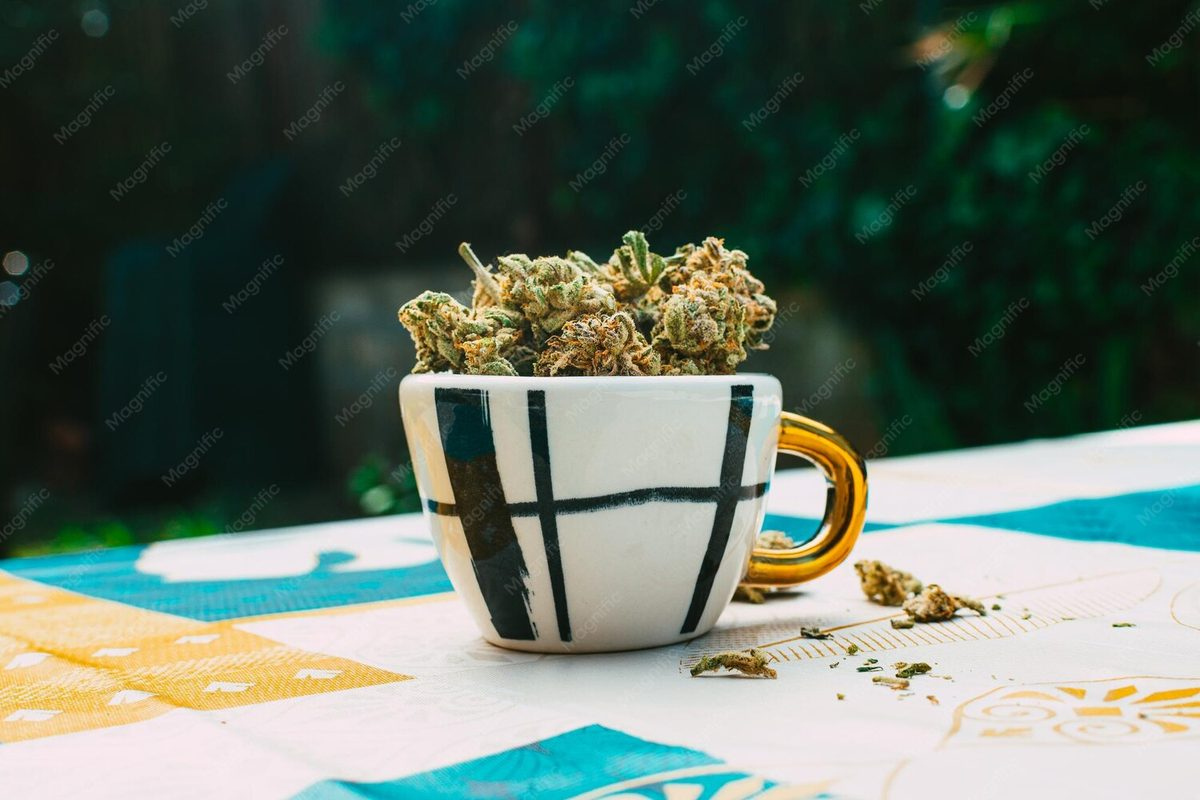
Both have cult followers across the globe, and both are known for how their fragrances influence the overall experience. The aromas come from the natural compounds that create specific fragrance profiles. Of each aroma, taste, state of the culture, society’s day-to-day habits, and instant impressions depend on people’s preferences. Of course, I don’t know why cannabis and coffee smells completely remain so popular among consumers in this article.
Historical Background
For centuries coffee has been a part of everyday life, and this beverage has been established in many cultures due to trade routes, travel down the Silk Road, and social tradition. Its scent was linked with your mornings, work breaks, and meeting friends. Cannabis, too, has slow roots in human culture with applications that have transformed between cultures and time spans.
These days cannabis aroma is receiving more appropriate attention, as we are seeing the growth of legal markets around the world, and consumers have become captivated by plant-driven fragrance expressions. That history of both plants partially answers why their aromas resonate so strongly with people now.
How Aroma Is Perceived
However, individuals do not have an identical experience of aroma. Since smell also has a direct line to memory, emotion, and expectation, a scent may be pleasurable to one person but commonplace for another. The aroma of coffee can convey characteristics like energy, ritual, and comfort, while an aroma associated with cannabis may communicate relaxation, curiosity, product quality, etc.
The environment also matters. The smell of coffee in a cafe may be inviting, although the same scent at home can feel cozy and personal. The scent of cannabis might appear distinct when taken at a dispensary as opposed to in the garden or as a finished product.
Coffee Aroma
Coffee has one of the most recognizable scents in the world. The smell of fresh coffee brewing is a pleasant aroma that many can identify immediately. For many people, this smell is associated with comfort and productivity as it marks the beginning of a new day. Many coffee shops have become a destination because of that pleasant smell.
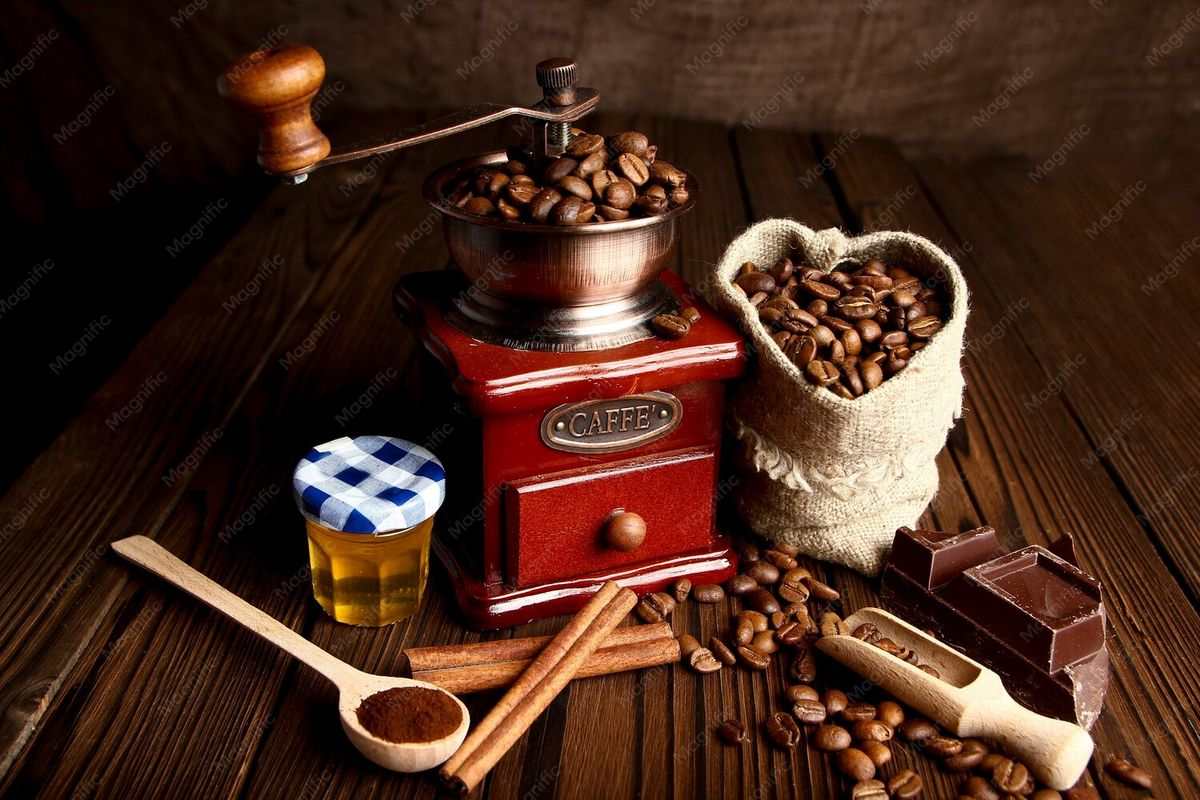
Simply smelling the air can make an atmosphere feel warm and inviting. Various coffee beans yield varying scent notes. Some smell sweet and nutty, while others are rich, earthy, floral, or even somewhat fruity. The final aroma is affected by the roast level, bean origin, and brewing method.
Cannabis Aroma
The unique and easily identifiable characteristic fermentation aroma of cannabis as well is amplified by how varied its bouquet is. Cannabis strains have an aroma characteristic of the strain and are among some of the most outstanding aspects people hear about cannabis. Certain strains have fruity notes while others smell earthly, herby, or even spicy. Some strains produce citrus, pine, diesel, and floral scents.
These appealing odors arise from the aromatic parts of plants that achieve their highest development over time. One reason that cannabis aroma is so intriguing to many consumers and researchers alike is because each strain offers a distinctly different sensory experience.
Natural Compounds
The fragrances of both plants are based on natural compounds that interact with the human olfactory sensory system. There can be hundreds of aromatic compounds in coffee that become available as we roast and brew. Those compounds form what gives coffee enthusiasts the deep, multilayered scent.
Terpenes, the fragrant compounds found in cannabis that give it its unique aroma are also present in many other plants. Terpenes are responsible for creating unique scents, so no two will ever smell the same. These compounds not only affect aroma but also consumer preference and the identity of the products themselves, which is why scientists continue to investigate them. The biochemistry of each fragrance is complicated and intriguing.
Terpene Profiles
Terpenes are one of the top reasons why different cannabis strains smell so differently from each other, and they play a major role in that aroma. Several terpenes give an aroma of citrus, while others provide pine, lavender, herbal, or peppery notes. In coffee, this complexity among aroma notes comes from a multitude of compounds created during roasting.
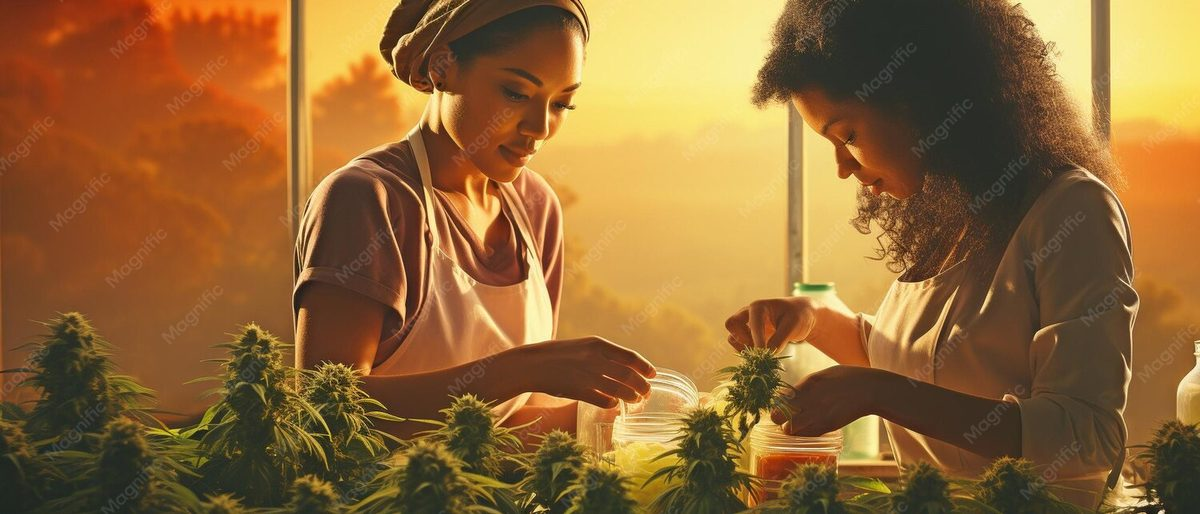
That yields flavors likened to chocolate, caramel, and nuts or spice-like qualities. The chemistry is different, but both plants are dependent on a complex blend of natural compounds that result in memorable odors. This is why when it comes to product choice, aroma can be such an important driver that understanding these profiles helps explain.
Brewing and Preparation
And preparation has a tremendous impact on aroma, and really with coffee. Grinding beans emits aroma right away, while brewing methods such as drip vs. espresso or French press affect how the flavor unfolds. When smelling freshly ground coffee, the aroma often smells brighter and more vibrant than preground. Cannabis scent can affect it, too—it will depend on the way in which bud is handled or stored and completely processed. Curing and Storage Proper curing helps retain scent, but poor handling can ruin it. In both cases, freshness matters. The more effort you put in to prepare, the more pronounced and pleasant the aromas.
Popular Choice
And globally coffee is the more familiar scent. Coffee is one of the most popular beverages consumed by millions of people around the world, many even being able to smell a cup before they take a sip. Since coffee shops are found in almost every country, the scent has become a universal, multi-generational commodity.
Aromas of coffee are associated with everyday activities, effective work times, and socialization. Cannabis aroma is an often-favored scent among the cannabis community as well as enthusiasts of complex fragrance composition from plant materials. Its popularity is only set to rise as more markets legalize and consumer interest in strain variation and terpene profiles increases.
Interesting Facts
- This is one of the reasons that explains their popularity and what makes them attention magnets for consumers as well as researchers.
- It is well known that coffee possesses hundreds of aroma compounds, which develop during the roasting and brewing processes.
- Terpenes are natural compounds present in cannabis, which gives it a wide variety of scents.
- Every coffee bean can vary depending on origin and roast level.
- Each cannabis strain can smell different depending on genetics and growing conditions.
- Aroma drives coffee innovations.
- Scents are influenced by personal taste, memories, and culture.
- You see some of these details, and aroma is not just a background player. It usually ranks among the top reasons why people opt for one product over another.
Aroma Variety
Coffee and cannabis both provide a number of corresponding aroma profiles, which is one of the things that makes them so enticing. Depending on the bean and roast, coffee can smell nutty or chocolatey as well as caramel-like or floral. Certain beans are full of bright citrus notes, while others have deeper smoky or earthy tones.
Cannabis might smell fruity, herbal, spicy, or woody. Certain strains release sweet aromas, while others have a more sharp or pungent scent. The diversity works for both plants, as no experience is identical. All of this diversity also creates many opportunities for consumers to explore.
Cultural Impact
Coffee has shaped civilizations for centuries and is still one of the most socially important beverages in the world. Through perfection, coffee houses turned into a spot for discussion, work, and public activity. This is why so many people begin their day with coffee because it seems to be a reliable moment during the morning.
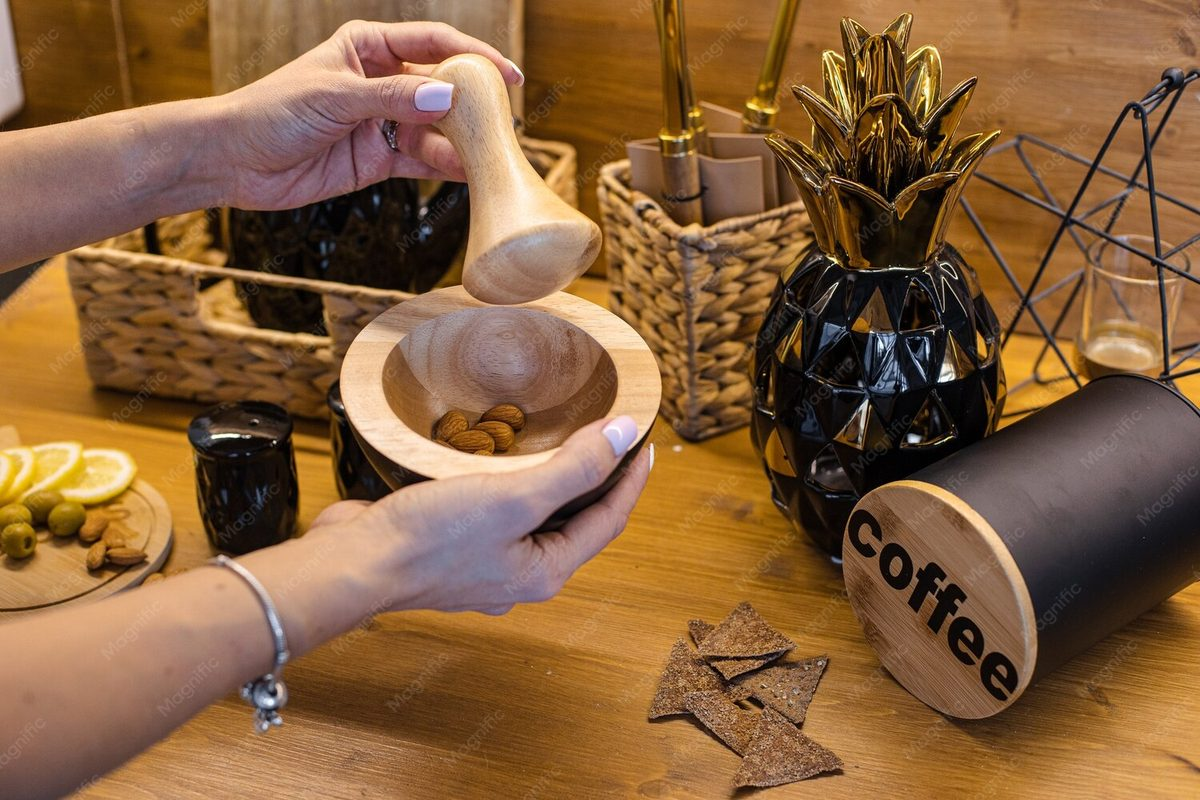
Marijuana has added historical significance in many places, and cannabis culture continues to adapt rapidly with changing laws, mindsets, and markets. There are entire communities that treasure the hoops and bridges of these two American plants along with the product, but also its rites. Their scents enhance these cultural ties.
Personal Preference
Of course, aroma preference is very personal, and there will not be one answer that fits all. The reason why some people love the smell of roasted coffee is its familiarity and how it marks it as an energizing drink. Some prefer botanical cannabis aromas, as they are more layer-driven and unique. These choices are often based on personal experiences, and memories can impact aroma preferences strongly. Scents that are associated with family, habit, or relaxation may be particularly attractive. This is why one person might feel coffee more comforting, but the scent of cannabis perhaps more curious to another. Taste is highly individual.
Scientific Interest
Researchers look as much at the aroma of coffee and cannabis to understand how aromatic compounds are developed and what they elicit in users. Scientists investigate roasting chemistry, growth type, curing, and storage methods to determine how these affect aroma. They also analyze retail data to understand the reasons behind why some aromas are more popular than others.
Groundbreaking research is revolutionizing product quality and helping growers, roasters, and producers make better choices. Scientific knowledge continues to expand, and the field of aroma remains an important part of both industries. With greater knowledge, researchers are better able to explain why those fragrances matter.
Consumer Experience
Aroma is a huge contributor to the experience of both coffee and cannabis. Fans of coffee frequently smell the cup before drinking, and that initial scent can set perceptions about taste impressions and quality. Cannabis consumers, too, notice the aroma first when making comparisons from one strain or product to another.
The initial contact fragrance is the first impression a person makes in his/her brain & directs whether the product seems to be classy or pleasant and fresh. The presence of strong aromas often enhances the product, and quality is also considered as a direct or indirect relation to scent. And odor is a key part of the experience, not just an afterthought in both industries.
Global Popularity
It is the most consumed food in the world, and coffee is ubiquitous: it appears in almost every country. With cafés and specialty roasters opening every year, along with home brewing becoming normalized, coffee culture keeps evolving as new generations fall in love with it. If regulations mirror their market, cannabis popularity rises.
As others educate themselves on dispensary strains/scent profiles, public interest grows. Each industry draws in millions of consumers, but coffee is far less niche and interwoven into daily life even more. The scent of cannabis, while non-universal, has a growing market share in legal & cultural markets.
Market Trends
Market trends demonstrate that aroma is playing an increasingly larger role in both industries. In brief, coffee buyers typically pay attention to origin, roast style, and readiness all of which likewise influence smell. Specialty coffee over the years has shifted consumers towards being aware of subtle aroma differences and more interested in high-grade beans.
Aroma itself is one of the foremost features we use in describing a strain or product, especially in cannabis markets. It is possible that consumers buy products based on terpene content or scent strength/flavor profile. Aroma continues to drive branding, product development, and customer loyalty in both markets as they grow.
Key Differences
Among the most apparent of these are the differences between coffee and cannabis that influence how their respective aromas communicate to humans.
- Coffee provides dark, warm, and sometimes cozy scents.
- Cannabis offers botanical, earthy, fruity, or pungent aromas.
- Coffee is part of a daily routine and becomes ubiquitous in social or at least public life.
- The cannabis strains are much more different and may be loved by a narrower group of people.
- Both have natural components that build up deep aromas.
- Each of these has die-hard fans who appreciate aroma as an integral part of the experience.
- These differences partly help explain why the aroma of coffee is more relatable for most than comparisons to cannabis, where that diversity often feels esoteric.
Final Thoughts
Aroma preference: Cannabis vs. Coffee It also depends on how you personally are suited to it, your lifestyle, and how comfortable you feel with these cultural differences. While coffee is presumably the more universally recognized scent due to it being routine for millions of people and readily available in homes, cafés, and workplaces. In contrast, cannabis has a much greater diversity based on the various terpenes.
It contains and should be particularly appealing for those who like complex botanical fragrances. Both plants offer unique scents that affect consumer experience, the quality of a product, and cultural identity. Both draw diehard fans in, and their appeal is sure to continue its upward trajectory as the existing niche around scent and flavor, especially aromatherapy, takes root.