

The cultivation of cannabis in hydroponics has probably become one of the most popular subjects among those with a stake who are taking part in modern-day large-scale commercial supply chains. One of the reasons hydroponic systems get so many cultivators interested is because. They offer a lot more control in terms of plant growth, nutrient delivery, and environmental conditions. With hydroponic growing, however, nutrients are delivered via water. More directly into cannabis plants.
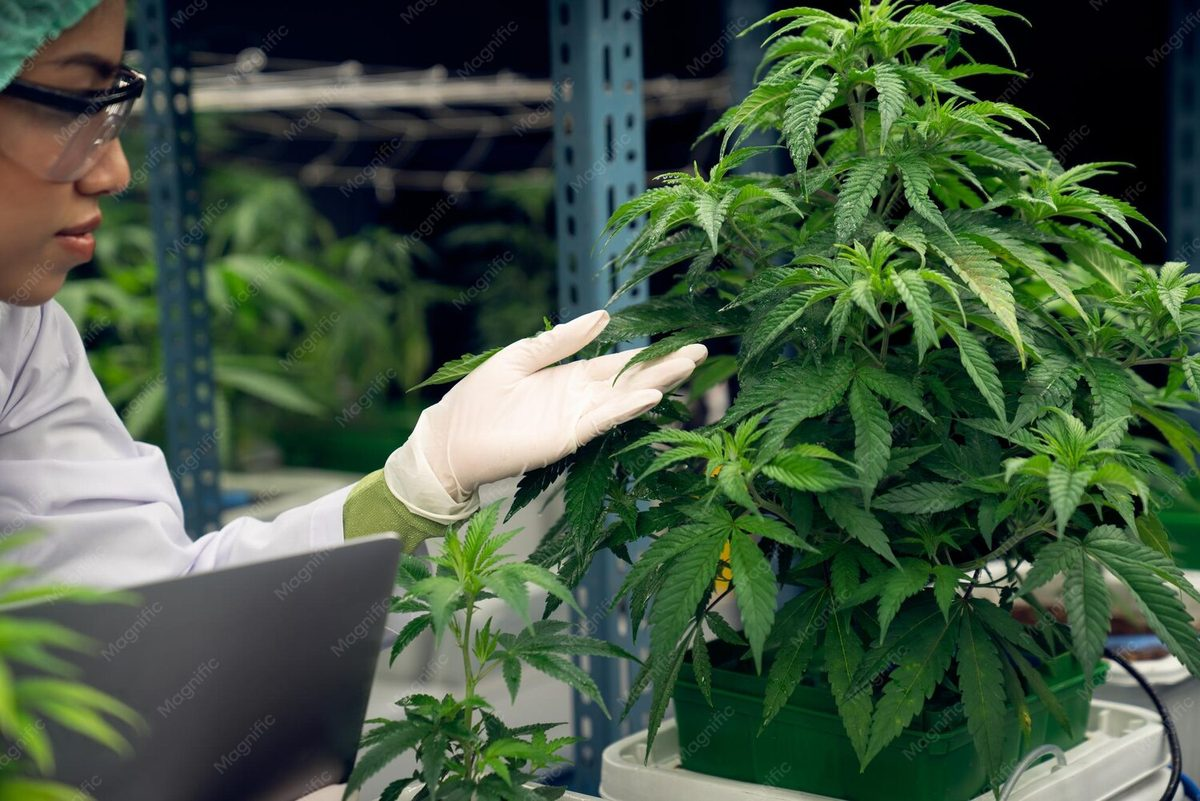
Available essential minerals are delivered in a direct way that takes the guesswork out of traditional soil cultivation. With the gradual improvements in cultivation technology, hydroponic methods are increasingly common amongst commercial growers as well as hobbyists and research facilities. This technique is important because it tends to provide a more consistent, cleaner growing environment that can lead to healthy plants with vigor.
Hydroponic Basics
The roots are suspended in a growing medium such as coco coir, clay pebbles, perlite, or rock wool depending on the system being used. It is this technique that gives growers the highest level of control when it comes to what their plants receive at each and every step in their development. Improved nutrient management tends to produce a more reliable growth pattern, healthier roots, and, at the end of the day, better results.
Growing Process
Cannabis grown hydroponically follows a methodical and directed growth protocol from seed to harvest. Growers prepare a nutrient water that includes minerals the plants require for proper growth, then a system designed to provide roots with fluid and nutrition. According to the setup, this water can either be circulated continuously or in timed frictions.
You monitor environmental factors like temperature, humidity, airflow, and lighting every single day. This controlled system assists with keeping plants growing properly from seed to harvest while reducing a lot of the unpredictability that comes in outdoor or soil-based growing.
Nutrient Control
Nutrients given to the plant can be measured and tailored according to their stage of growth. Nutrient levels are regularly checked by growers to ensure there is neither too much nor not enough nutrient intake. Being able to control this level helps avoid nutrient deficiency and ensure the healthy development of plants. Uniform crop quality and harvest consistency are also a function of consistently feeding.
Water Efficiency
Hydroponic systems are made to make better use of water than a lot of conventional growing methods. The majority of systems then recirculate water, preventing wasted surplus moisture and conserving resources into the bargain while ensuring plants are watered with regularity. Hydroponics has become an attractive option in regions.
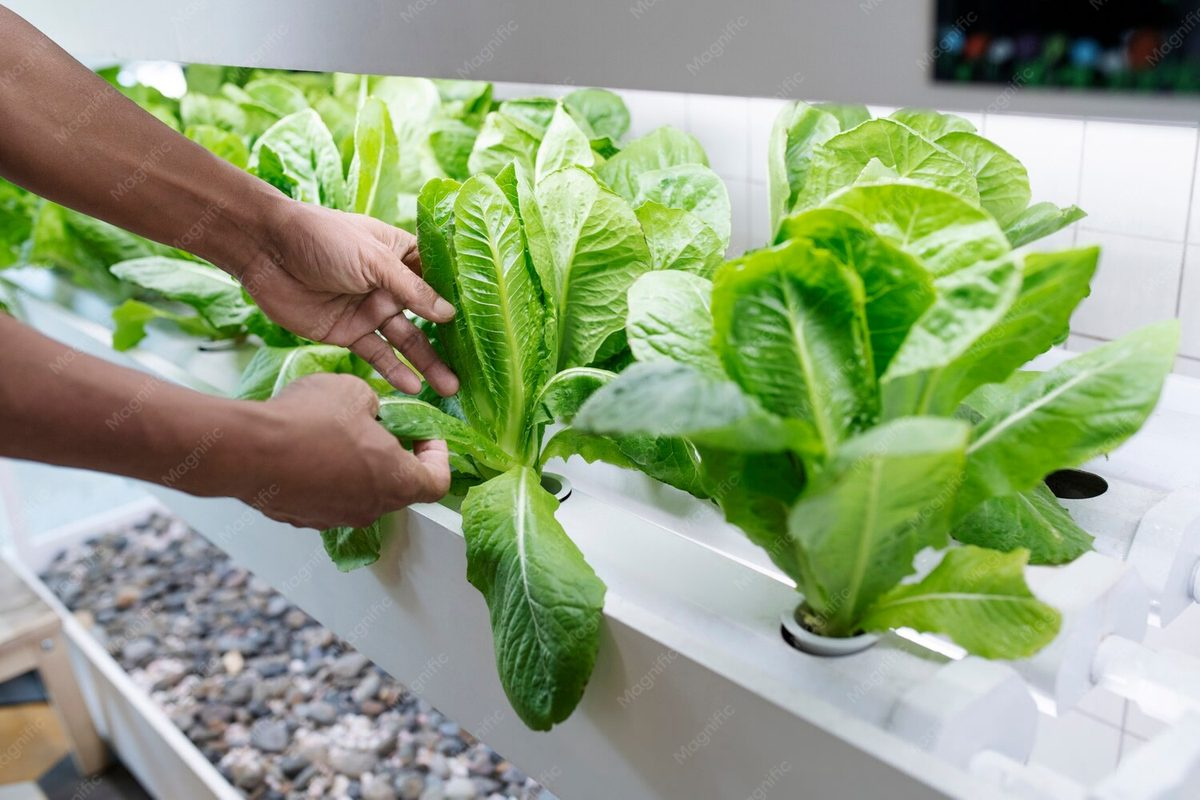
Limited water supplies or for growers looking to reduce waste due to the relative efficiency of said type of management. As more and more cultivators seek sustainable growing practices, it is only becoming increasingly popular.
Environmental Control
Typically, however, you are trained indoors under controlled conditions. From the moment they apply their cutting or seed through until harvest, growers will be in control of temperature, humidity, airflow, and light. Constant environmental conditions minimize stress and allow for healthy development at every stage of growth. Growers can take action as soon as conditions shift, thanks to modern monitoring equipment that has integrated capabilities into their operations and ensured consistency from crop-to-crop. Controlled environments also allow for a higher degree of reliability during the growing process and are more easily repeated when results prove beneficial.
Key Benefits
- Cultivate indoors, where you can control more.
- Simpler plant maintenance: Cleaner growing conditions
- A better crop quality is achieved when monitored continuously.
- And modern technology facilitates reliable farming methods.
- Purely controlled systems are often more predictable.
Conditions can be quickly altered when desired, allowing growers to respond in a timely manner.
Faster Growth
Hydroponic systems are preferred by many growers since, in artificial environments, plants frequently grow most efficiently. Roots can do their job well, having permanent access to nutrients and oxygen all through the growing cycle that gives them strong support for steady growth. While outcomes differ based on cultivation procedures and system layout.
Our hydroponics systems have all been shown to help cultivate plants in effective manners. Hydroponics has gained so much popularity in the commercial growing operations because of this efficiency.
Cleaner Cultivation
It replaces dirt with water, so hydroponics provides a cleaner environment for the cultivation process. Using soil, growers can see fewer of the contaminants you get from the earth, have a lower chance of dirt-borne pests that typically accompany growing in soil, and have an easier time with day-to-day upkeep.
Hydroponic facilities indoors also provide better sanitation during the growing process, as surfaces and equipment can be cleaned more. Consistency with plant care is supported by clean growing conditions, which also enable easy and fast completion of routine management tasks. This cleaner setup is one of the most attractive aspects of hydroponics for many growers.
Equipment Needed
Typical components include nutrient tanks, pumps for water transfer, grow trays or beds/containers to hold the substrate with crops inside them, air stones, and all pump systems such as light system timers, sensors, etc. Other systems add filters, tubing, and climate-control equipment to enhance performance and stability.
The entire system collaborates seamlessly to facilitate robust plant growth and maintain equilibrium within the planting conditions. This makes it important that equipment is properly maintained, which will help prevent interruptions in the growing cycle during long-term system operation.
Seed Selection
Genetics marketers and growers usually want something that has stable growth, strong structure, and will work well in indoor systems. Having healthy starting material will help the rest of your growing process go smoothly. Seed type also affects how big a plant becomes, as well as its growth and flowering habits.
The earlier that the hard questions are answered ideally in planning cycles at least 6 months out the higher the odds of harvesting successfully later.
Lighting Requirements
A good, steady light promotes strong stems and healthy leaves in plants. How effective the lighting is for plants depends on how well it has been placed, its intensity, and its schedule. Proper lighting management is one of the most essential aspects when it comes to maintaining your hydroponic ecosystem.
Common Challenge
If not corrected quickly, equipment failures can prevent proper water circulation or sufficient oxygen delivery. The environment of the grow can change in temperature, humidity, and water quality as well, which will impact all. You are often able to mitigate oddities in your system by performing regular preventative maintenance.
Tracking what is working well, based too little on hard data that heavily relies on environmental factors. The way successful growers develop experience is that they watch their systems and respond right away when problems start to show up.
Pest Prevention
Even though hydroponic systems are cleaner than most soil-based setups, it is still very important to cover the plants against pests. Even though sanitation can be easily maintained in indoor growing environments it does not mean acres and acres of farmland will attract no insects or mold, among other problems.
Many growers make frequent examinations of their plants, equipment, and/or surrounding areas to monitor the situation before it develops into a major problem.
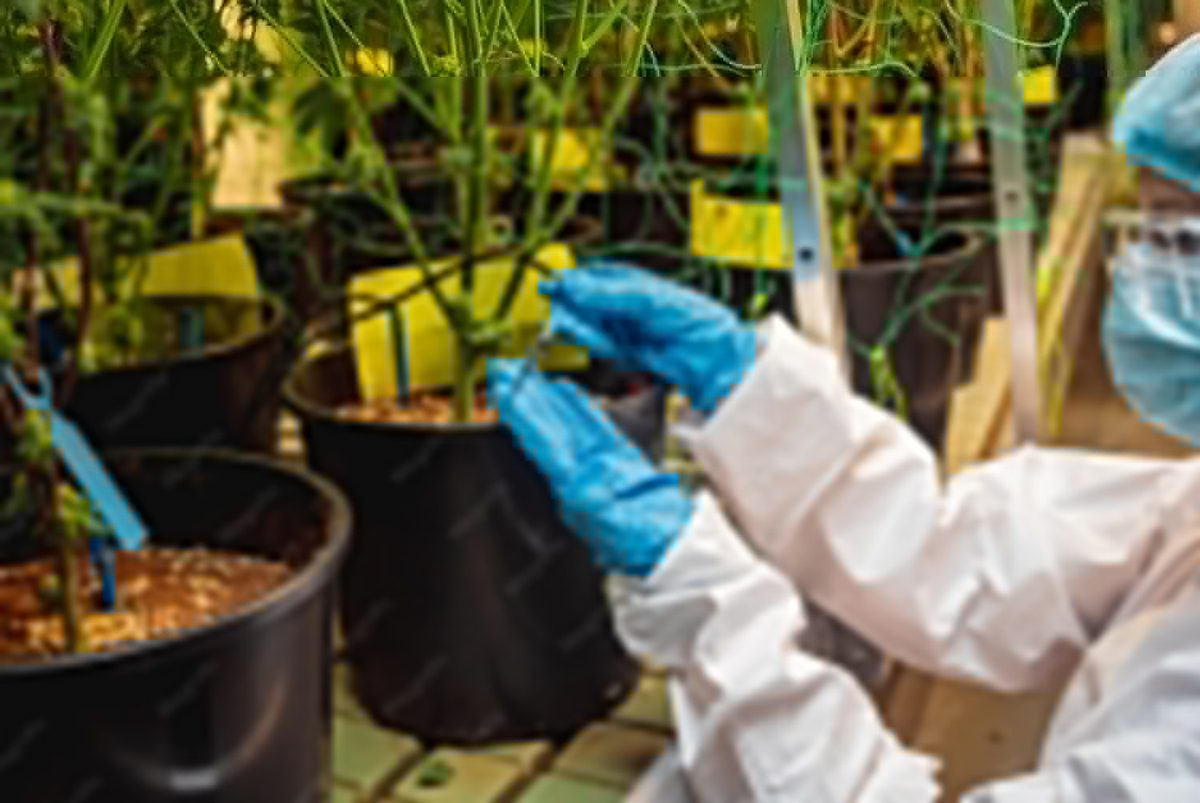
Quality Monitoring
In every stage of the cultivation process, professional growers check their hydroponic cannabis with extreme detail. Regular quality control allows for dependable cultivation results and promotes better overall plant health. The thing is that monitoring isn’t just a final stage; it runs through the core of growing all along.
Important Considerations
Growers must note a few things before picking hydroponic cultivation.
- Regular system maintenance is essential.
- Nutrient levels require frequent monitoring.
- Environmental control improves consistency.
- Quality equipment supports better performance.
- Growers should understand hydroponic fundamentals.
- Continuous learning improves cultivation success.
- Having a plan is critical to minimize needless trouble.
- Be patient and thorough through the whole process.
Final Thoughts
The other among the most advanced grows of cannabis in use today is hydroponically grown cannabis. By utilizing systems that use water rich with nutrients instead of soil, growers receive more control over environmental conditions and plant health. However, because hydroponic cultivation requires a certain level of knowledge and some costly monitoring equipment, it tends to remain an appealing but niche solution for the modern grower.
Hydroponic systems are anticipated to remain significant in cannabis cultivation as technology changes. The science, planning, and innovation that go into producing truly hydroponically grown cannabis are explained for the benefit of readers wishing to appreciate these contemporary growing methods.