

The Hippies of the 70s
Overview of the hippie lifestyle in the 70s. The Hippies of the 70s were part of one of the biggest cultural phenomena of all time. Which affected lifestyle, fashion, music, and even the cannabis lifestyle. During the hippies’ period, this generation believed in love, freedom, peace, and the natural way of living. This period of history saw people living a life apart from that of mainstream society. Not only did they want to be distinct, but they also sought a lifestyle that was meaningful, creative, and peaceful. Hippie was also part of a big culture when it comes to cannabis. The hippie way of life was popular during the 70s for many, since some hippies used the hippie life as an act of defiance.
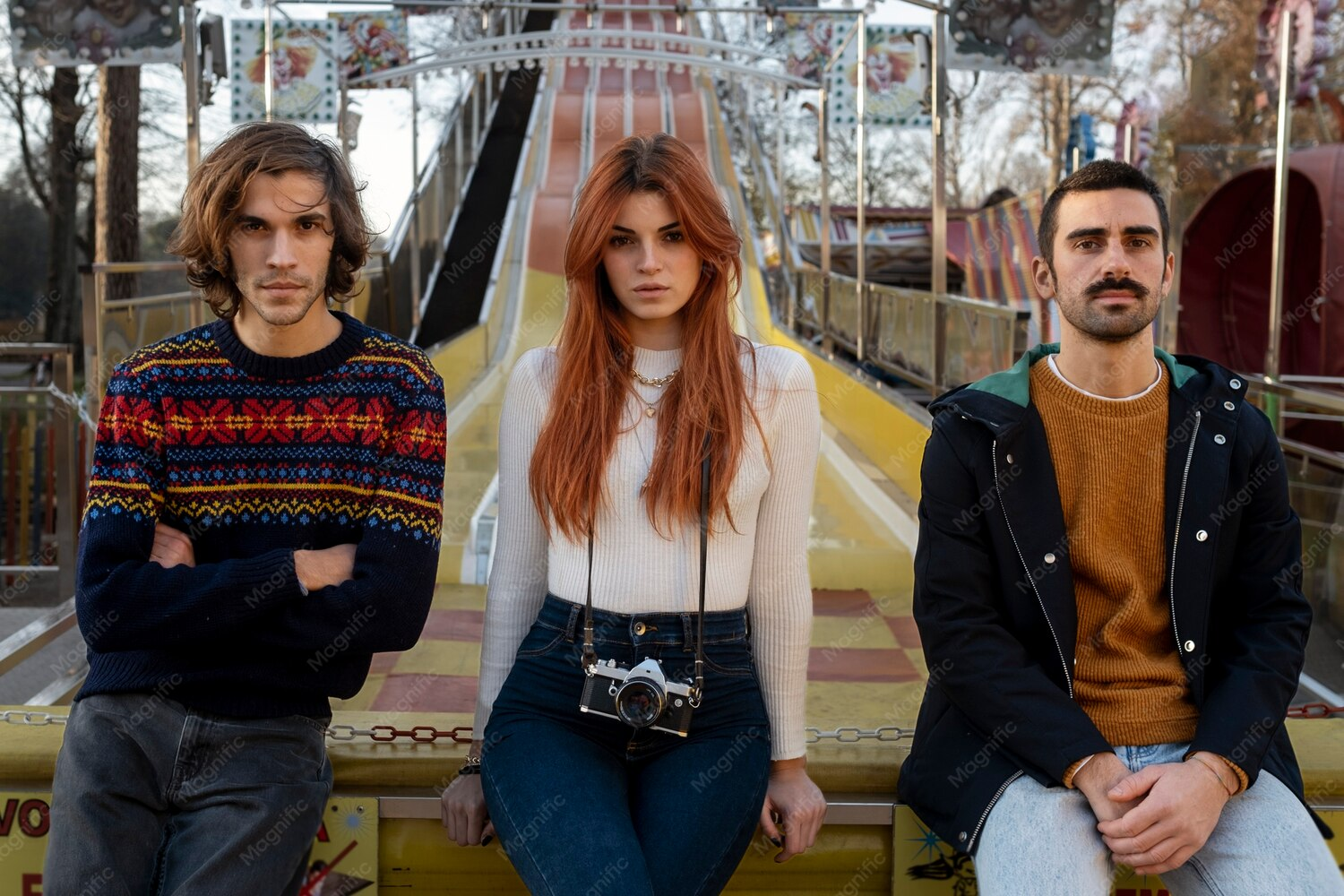
Found cannabis to increase creativity, and some hippies also sought peace. When someone thinks about hippie culture, music festivals, colorful fashion. Road trips, the cannabis culture inevitably comes to mind. This movement promoted values of peace, love, equality. Self-expression is completely opposite from the traditional and conservative social norms that were prevalent during that period. Hippies rejected most societal structures that existed during that time and made their own identity. Their clothing, music, language, and mindset to that of the average population.
Peace movement
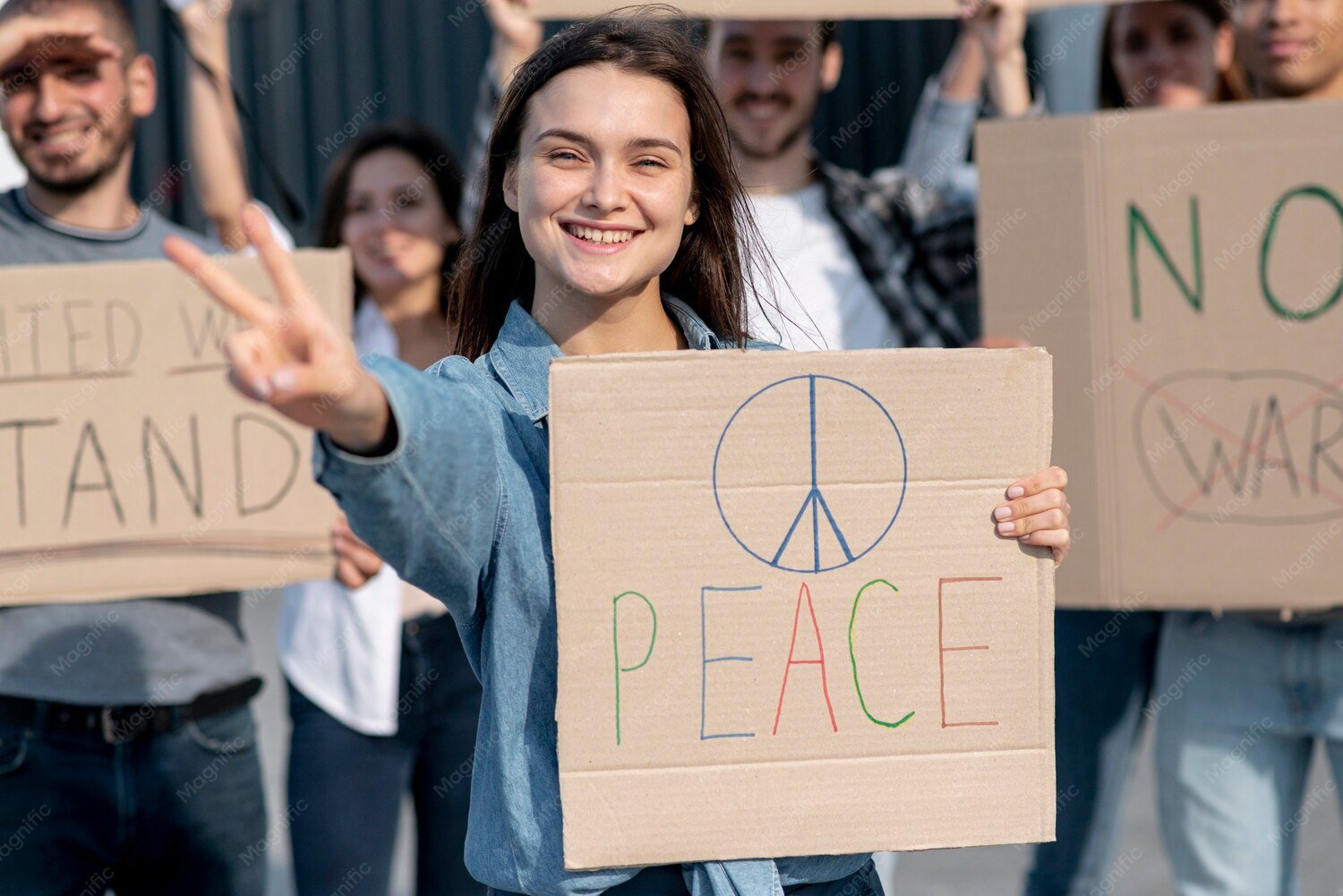
The most celebrated part of the hippie ideology and culture has been their passion for peace, which is why hippie ideology gained worldwide attention. Hippies openly protested against violence, warfare, and aggression. The hippies of the 70s believe that love and kindness are the ultimate forces that could make society a better place to live in. The hippie community’s identification is based on peace symbols, peace slogans, and colors of their outfits and paintings. The peace mindset of hippies is not just personal but also in social activism as well.
War protest
Against the backdrop of the Vietnam War, in the 1970s, most of the hippies were part of the anti-war movement. Hippies believed that sending youth to the brutish war was an unjust practice and the best that could come out of war is destruction. Thus, hippies protested against the war through songs, peaceful protests, and marches. Anti-war sentiments of hippie culture gave political implications and put its influence on public opinion.
Simple life
The hippies of the 1970s believed in a simple lifestyle and shunned excessive use of materialistic resources. In other words, simplicity and a minimal lifestyle for the hippies were a kind of life philosophy. Hippies’ connection with nature reflects hippie philosophy.
Spiritual effort hippies of the 70s not only were seeking social change but also inner self-awareness. Many hippies found spiritual solace in forms of Eastern philosophy, yoga, meditation, etc. They sought to achieve inner balance and consciousness to enhance human spiritual well-being. Hippies found it necessary to transform their consciousness. The hippie movement encouraged a search for self and freedom.
Cannabis culture
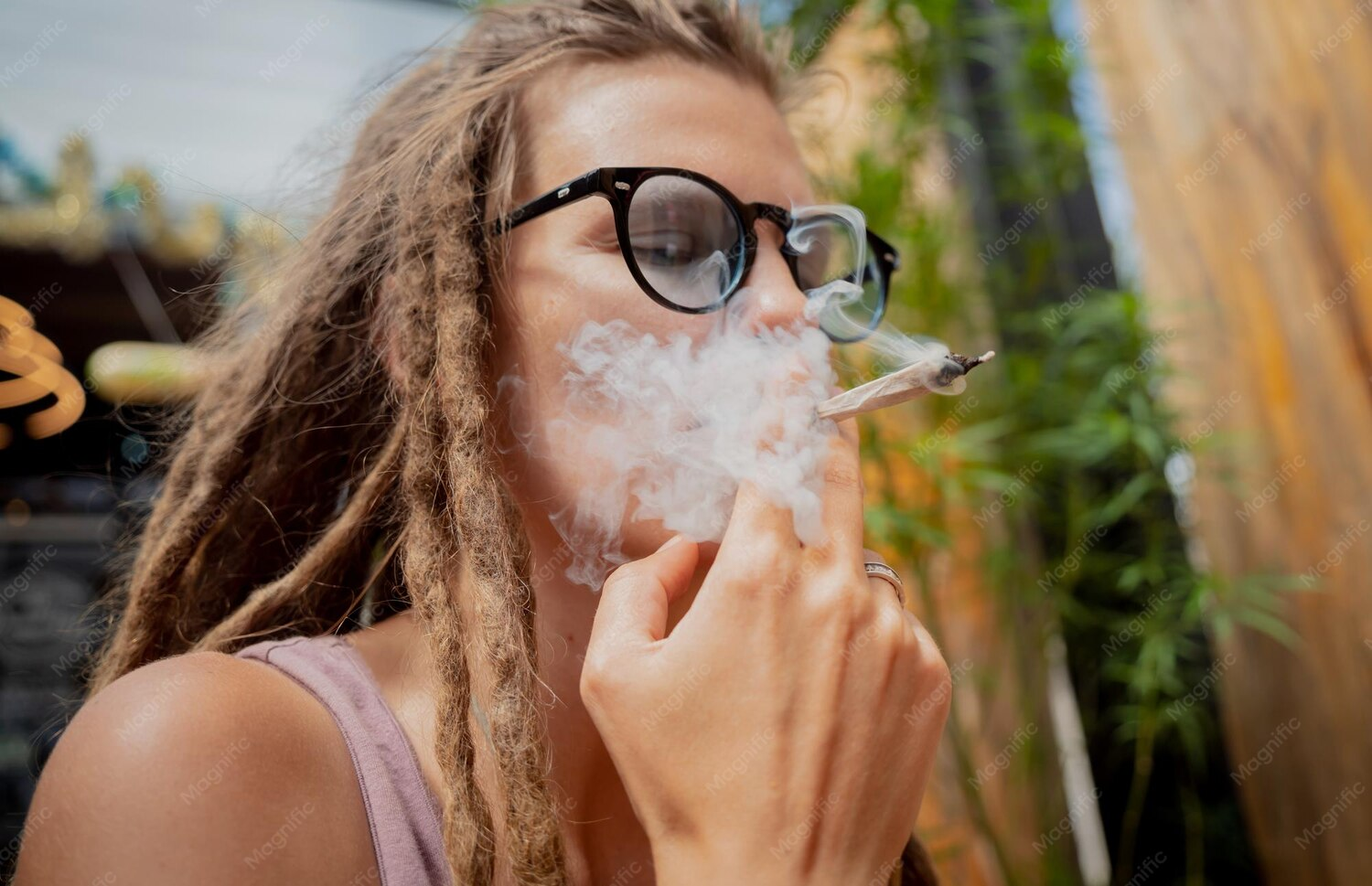
During the hippies’ era, cannabis was already extremely well-known. Many hippies found cannabis helpful for creativity and relaxation. It is common to see “hippie” and “cannabis” being thought of together. Drug perception in the hippies’ era the perception of cannabis has been complex since the hippies’ times.
For some hippies it was a symbol of counterculture; others viewed cannabis as a source of relaxation and inspiration. Society and different segments had their own opinion about the impact of drugs, creating diverse opinions about hippie culture itself. To understand the culture of cannabis, we must have an outlook of hippie culture.
The influence of music
The hippie culture is inseparable from the music. 1970s hippies had their very own musical style rock, folk, and psychedelia were popular. Music at hippie events often was played live at concerts, which were attended by people from everywhere. The concerts united hippies, promoted their ideals, and expressed their thoughts in songs.
Festival life
Hippie festivals were very important cultural gatherings where they celebrated peace, love, and freedom. Colorful clothes and an open environment were the characteristics of hippie festivals. Here hippies not only enjoyed music but also met new people, exchanged ideas, and freely expressed themselves. The hippie lifestyle had this openness, which reflected on events and culture too. Cannabis culture was a part of hippie festivals.
Fashion style
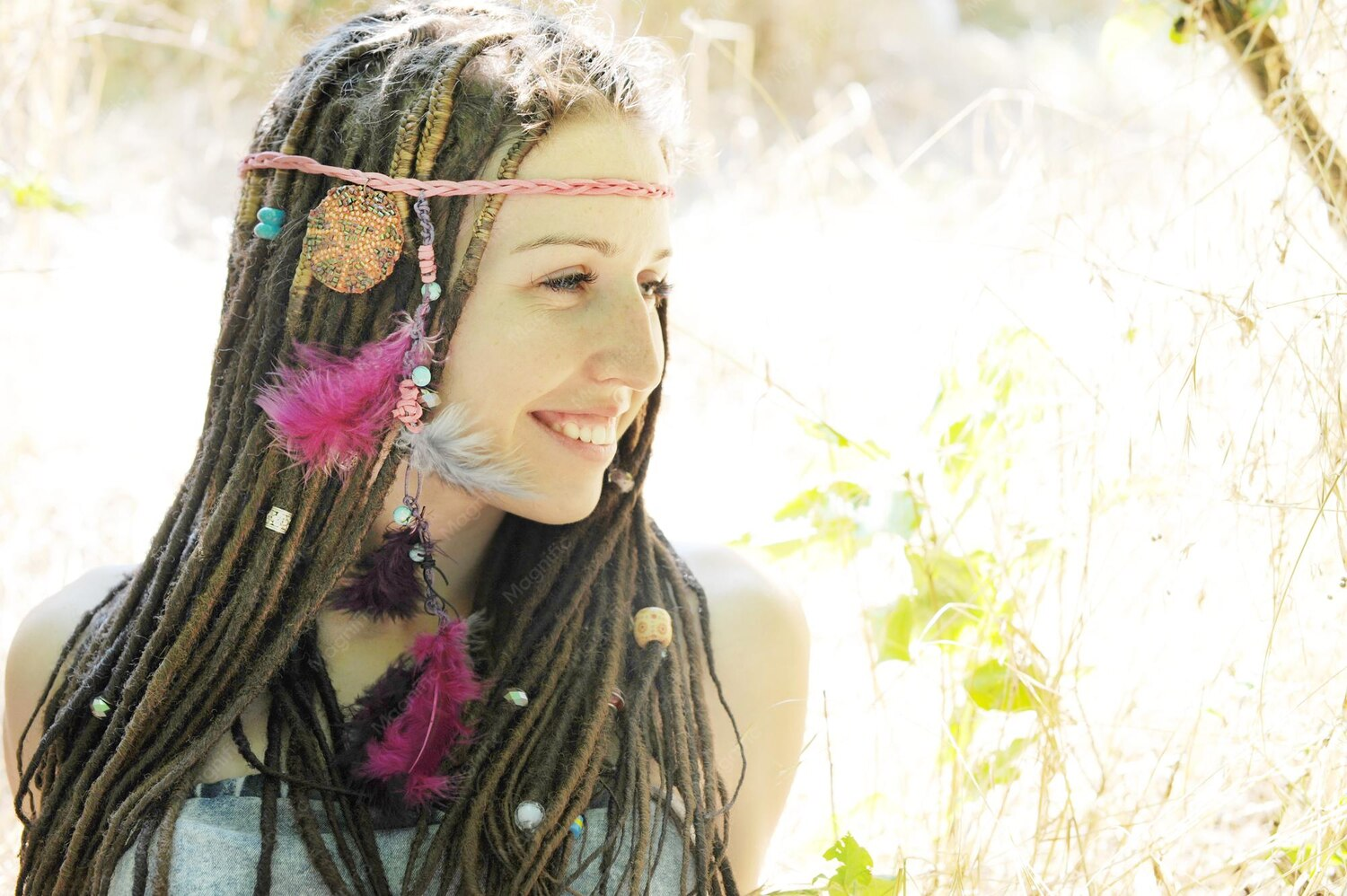
The clothing styles of hippies have also become well-known around the globe. Loose-fit and colorful clothing styles with floral designs on them and loose-fitting clothes made of natural fibers are typical hippie wear. Handmade jewelry, flowers in the hair, and beads on their clothes have been common hippie accessories. They expressed their ideas and thoughts through their fashionable attire.
Love of nature was an essential principle. Organic food and environmentally conscious living were part of the hippie lifestyle.
Community Life
- The concept of communal living has always been part of the hippie lifestyle.
- The people supported and helped each other to survive and prosper in their communal groups.
- Sharing resources, time, and knowledge was part of daily hippie life.
- Such strong community bonds allowed the hippies to live as an extended family.
Women’s cooperation
The women played a pivotal role in the development of the hippies’ movement and the hippies’ cultural life. In the 70s, women in the hippie movement were empowered in terms of sharing of social space, expression of self, equal rights, etc. Women also took an active part in hippie anti-war activism and art movements. It shows how hippies contributed to the empowerment of women.
Creative Arts
Hippies valued art as part of their culture, which encompassed painting, music, poetry, photography. Crafts, and it was utilized as a means to express emotions. Many hippies had art to express their own desires, hopes, and dreams with people, and this art was very bright. Colorful, expressive, and important in their lifestyle. Art, for hippies, was the means to convey their thoughts and beliefs in the world, to enhance their culture with creative colors.
Meanings, as well as to impress the world with its modern culture and poster design. In general, all aspects of an alternative lifestyle. Social impacts: The hippie culture of the 70s left an impact on the world by introducing values. Such as freedom, equality, environmental consciousness, and individual expression.
There were numerous social movements that were influenced by the hippie philosophy, as it incorporated messages of peace and individuality into their activism, so this influence can still be found today through various trends in the music industry, lifestyle, fashion, and pop culture; the impact the hippie movement created can serve as a perfect example of how young culture can drastically change society.
The influence it had now
A number of these hippie principles still influence the world we live in, in holistic and organic well-being, through the weed lifestyle; in creativity, eco-friendliness, individualism, and freedom of living; and in equality and lifestyle, as well as through individuality. Youngsters also place much emphasis today on individual freedom and liberty, and as a result.
They have importance to independence, freedom. Authenticity, as well as creativity, to peace, and in the same manner to organic well-being. As such, we can trace the impact of hippies today within music festivals, hippie as well as bohemian clothing trends, eco-friendly living, etc.
The Conclusion
In conclusion, hippies of the seventies were much beyond only a form of dress. They were really a community movement where all they did, said, and believed in had relation to peace, love. Independence, creative independence, and the individual and natural self. What hippies believed in and wanted is still being perceived and practiced as the hippie lifestyle. This also impacted a number of areas of the world, music, and fashion.
It impacts today’s generation too by using a positive way that in one of these fields or another, hippie influence on the world remains clearly felt by today’s generations that have to a good extent embraced the hippie lifestyle, as we may discover that many people today are striving to achieve independence, individuality, natural living, and natural well-being.
Official Strain Culture Store
Explore our exclusive collection of premium Strain Culture apparel, drinkware, stickers, accessories, and lifestyle products. Designed for everyday comfort with unique cannabis-inspired branding and high-quality craftsmanship.